Adapt or Evaporate: Why “Legacy Thinking” is the #1 Risk to Your 2026 Revenue
If your "digital strategy" still involves humans manually moving data between apps, or if your marketing team is still chasing "blue links" on Google as their primary KPI, you aren't just behind—you’re paying a Legacy Tax that is quietly bankrupting your future growth. In 2026, "doing things the old way" isn't a nostalgic choice; it’s a silent business killer. Here is how Digital Darwinism is separating the winners from the "Evaporators."
 Digital Darwinism: The contrast between AI-native business and legacy operations.
"Digital Darwinism: The contrast between AI-native business and legacy operations."
1. The "Bolt-On" AI Trap
Most companies are trying to "bolt-on" AI to their old, broken 20th-century workflows. They use ChatGPT to write a faster email or summarize a meeting. That’s like putting a jet engine on a horse-drawn carriage. The Survival Way: AI-Native firms don't just "use" AI; they deploy Agentic Workflows. They build systems where AI orchestrates the task from start to finish—only bringing in a human for high-stakes judgment. If your team is still the "middleman" for data, you’re the bottleneck.
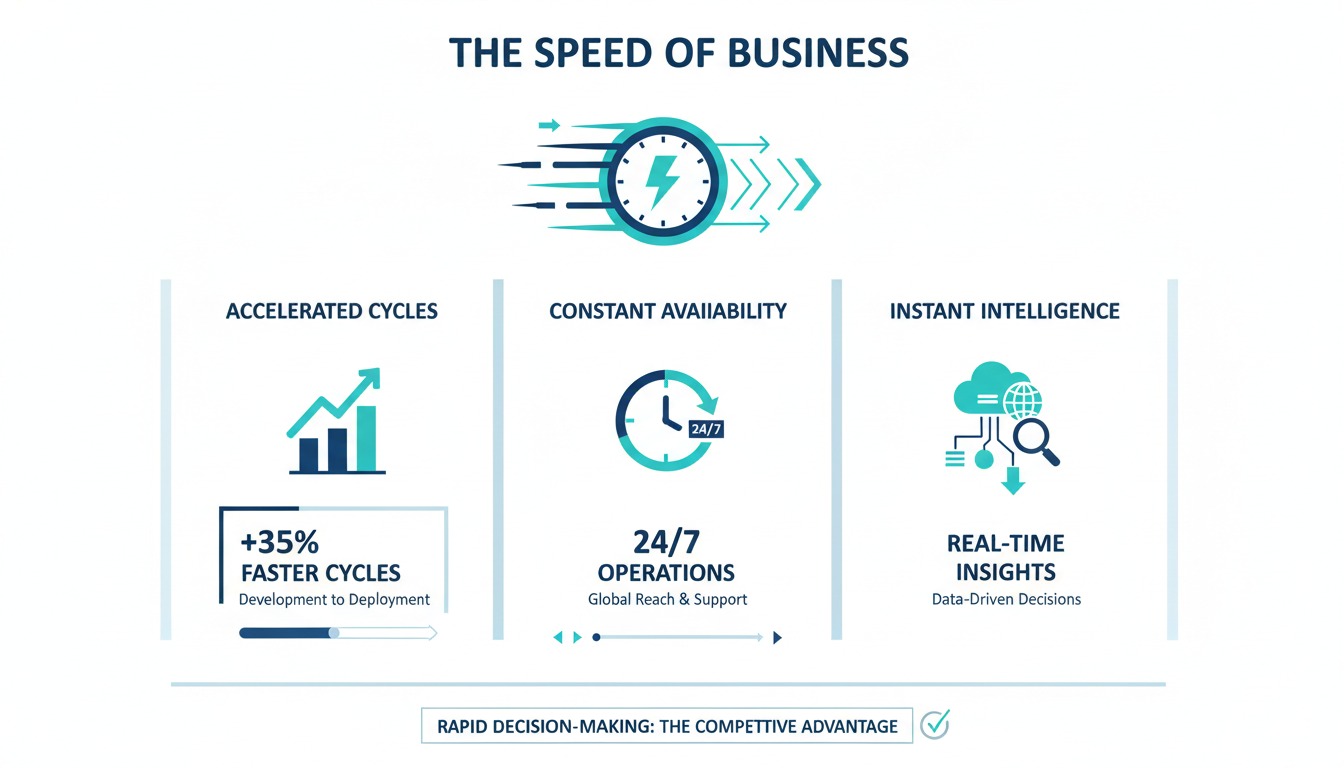 The speed of business
2. The "Click-Death" (SEO vs. GEO)
The old way was optimizing for clicks. The 2026 way is optimizing for citations. With the rise of Generative AI search (Gemini, SearchGPT, Perplexity), users are getting answers, not links. The Silent Killer: If your content isn't structured for GEO (Generative Engine Optimization), you don't exist to the AI models that are now making purchasing recommendations for your clients.
3. The Talent Drain: "Digital Friction"
The best talent in 2026—the Gen Z and Gen Alpha superstars—will not work for companies that force them to do "Data Janitor" work. If your tech stack feels like a museum, your best people will leave for firms where they can actually spend 90% of their time on creative, high-value strategy. The Bottom Line: You can’t win a 2026 race with a 2010 engine. It’s time to stop "digitizing" your old mess and start reengineering for an AI-First reality.
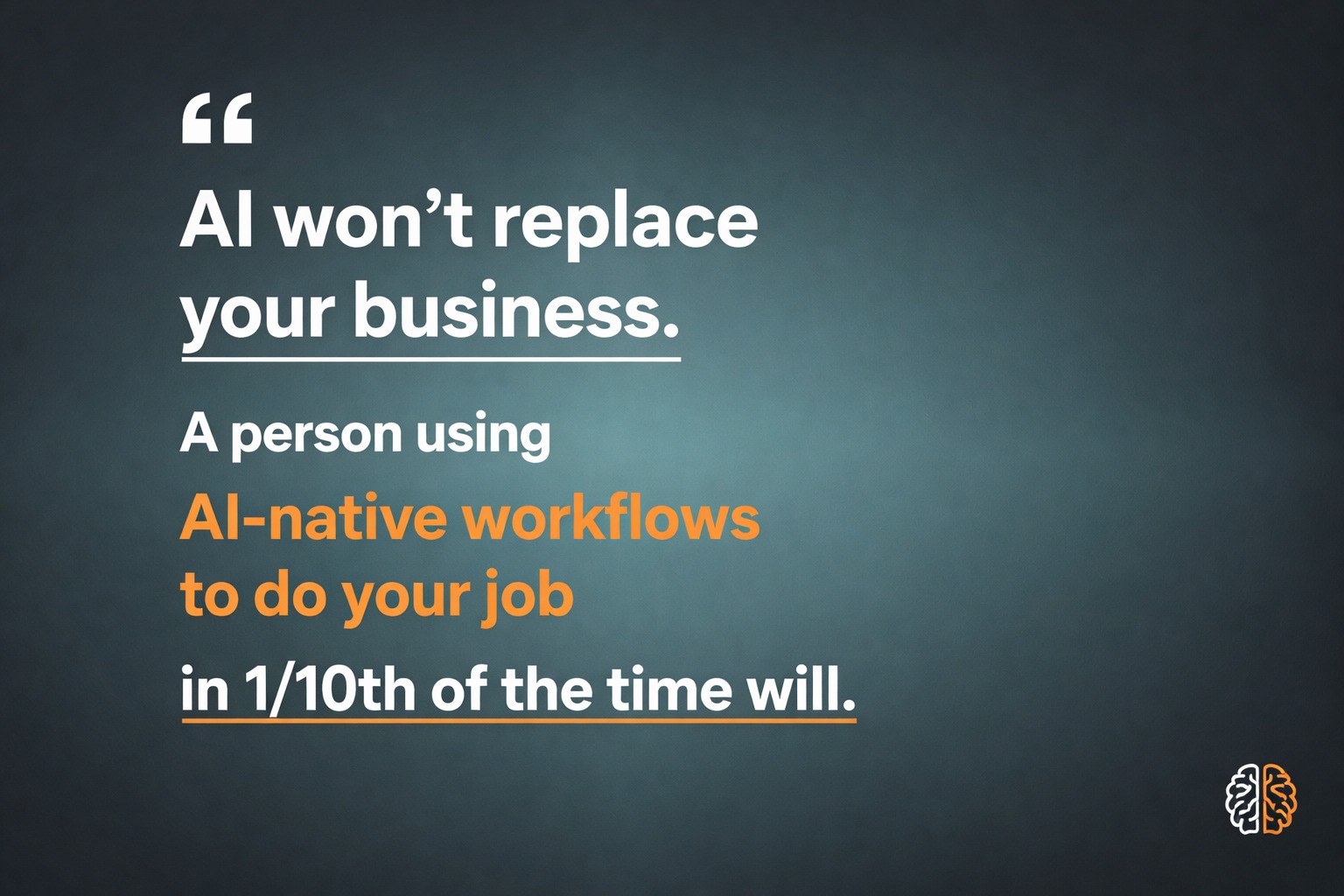 The Talent Drain: Digital Friction in legacy vs AI-native teams
Frequently Asked Questions
What is the biggest risk to business growth in 2026?
The primary risk is "Legacy Debt"—maintaining manual, fragmented workflows while competitors adopt Agentic AI. This "Digital Friction" creates a hidden tax on ROI and causes companies to lose visibility in AI-driven search engines (GEO).
How does GEO differ from traditional SEO?
Traditional SEO focuses on ranking URLs in search results. GEO (Generative Engine Optimization) focuses on structuring content so it is consumed, understood, and cited by AI models that provide direct answers to users, ensuring the brand remains an "authoritative source" in the AI era.